

Yakisoba Sauce Recipe for Quick Homemade Noodle Dinners

Yakisoba Sauce is one of those pantry recipes that quietly earns a permanent spot in your kitchen. It’s salty, slightly sweet, tangy, and strong enough to coat a full pan of noodles without disappearing into the background. Once you make it yourself, bottled versions tend to taste flat.
I’ve tested a lot of quick noodle sauces over the years, and this combination keeps things balanced without becoming overly sugary. You only need a bowl, a whisk, and about five minutes. Worth keeping in the fridge.
What Makes Yakisoba Sauce Different From Other Japanese Sauces
Yakisoba sauce has a deeper, sharper flavor than many Japanese sauces people already know. Teriyaki leans sweeter. Tonkatsu sauce is thicker and fruitier. Yakisoba sauce sits somewhere in the middle, with Worcestershire sauce doing most of the heavy lifting. That slightly smoky acidity is what gives stir-fried noodles their familiar street-food flavor.
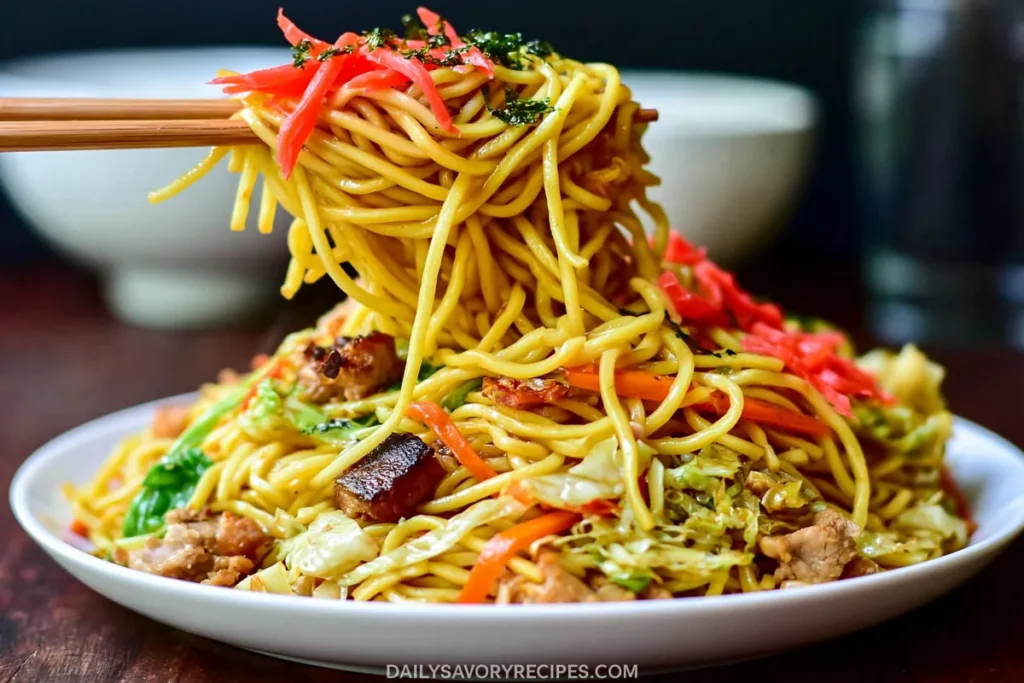
The dish itself has Chinese roots, even though it became a staple in Japanese home cooking and festival food culture. Traditional yakisoba uses wheat noodles cooked quickly over high heat, usually with cabbage, onions, and a protein. The sauce matters because it has to season everything fast without turning watery.
I prefer making the sauce separately instead of pouring ingredients straight into the pan. Easier to control. Especially with salty ingredients like soy sauce and oyster sauce, a small adjustment can change the entire batch.
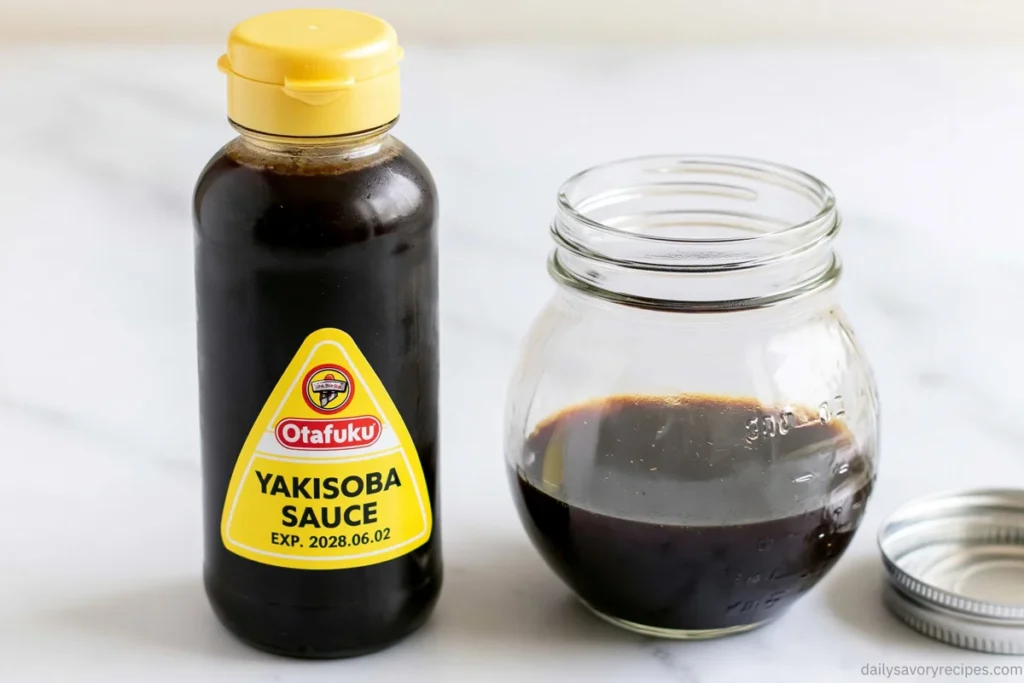
Pantry Ingredients That Build a Good Yakisoba Sauce
Most of the ingredients are probably already in your kitchen. Worcestershire sauce, oyster sauce, ketchup, soy sauce, and sugar create the base. Nothing complicated, but the ratios matter more than people expect.

Worcestershire Sauce and Oyster Sauce Balance
The Worcestershire sauce gives sharpness and depth, while oyster sauce rounds everything out with a richer, savory finish. If you use too much oyster sauce, the mixture can become heavy and muddy. Too much Worcestershire sauce, and the sauce starts tasting thin and overly acidic.
I usually start by whisking together:
- 3 Tbsp oyster sauce
- 2 Tbsp ketchup
- 1½ Tbsp soy sauce
- 1½ Tbsp sugar
- 7 Tbsp Worcestershire sauce
The ketchup may seem unusual at first, but it softens the sharper edges of the Worcestershire sauce and adds body. Not enough to taste like tomato sauce. Just enough to smooth things out.
Adjusting Sweetness and Saltiness to Taste
Different ketchup brands can shift the flavor more than people realize. Some are noticeably sweeter. Others are more acidic. Taste the sauce before using it, especially if you’re making noodles for the first time with this recipe.
The finished sauce should taste slightly stronger than you’d normally want on its own. That’s intentional. Once it coats hot noodles and vegetables, the flavor settles down. If the sauce tastes mild in the bowl, it’ll usually disappear in the pan.
Mixing Homemade Yakisoba Sauce in Minutes
This part moves quickly, but there are still a few details worth paying attention to.
Start with a mason jar or medium bowl. Add the oyster sauce, ketchup, soy sauce, and sugar first, then whisk until the sugar dissolves completely. If the sugar sits at the bottom, the flavor can end up uneven later. You don’t want random sweet spots in the noodles.
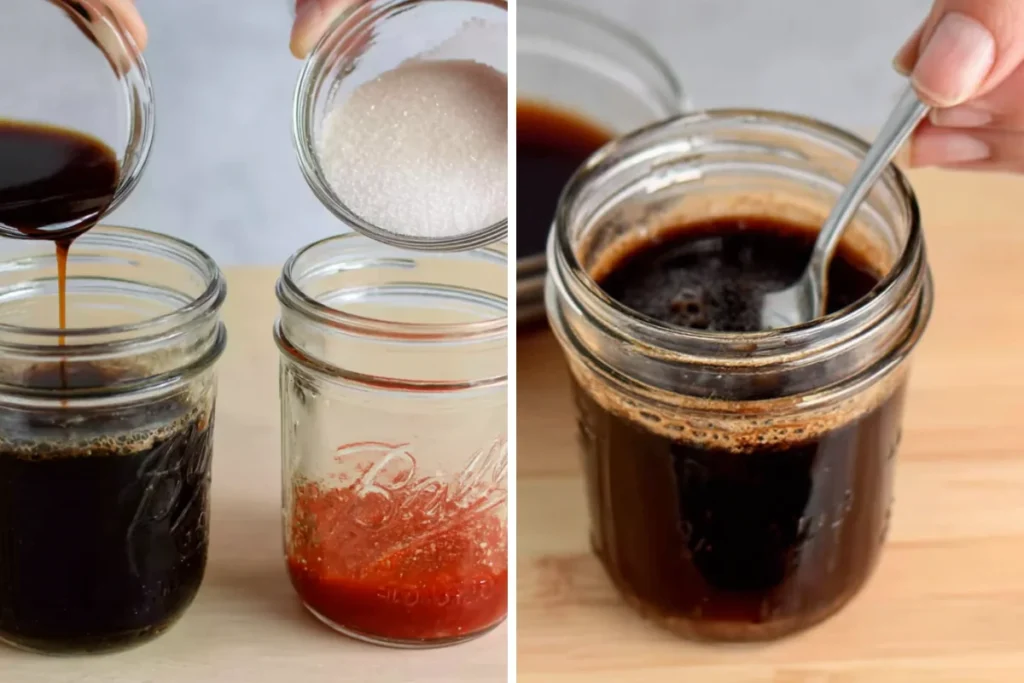
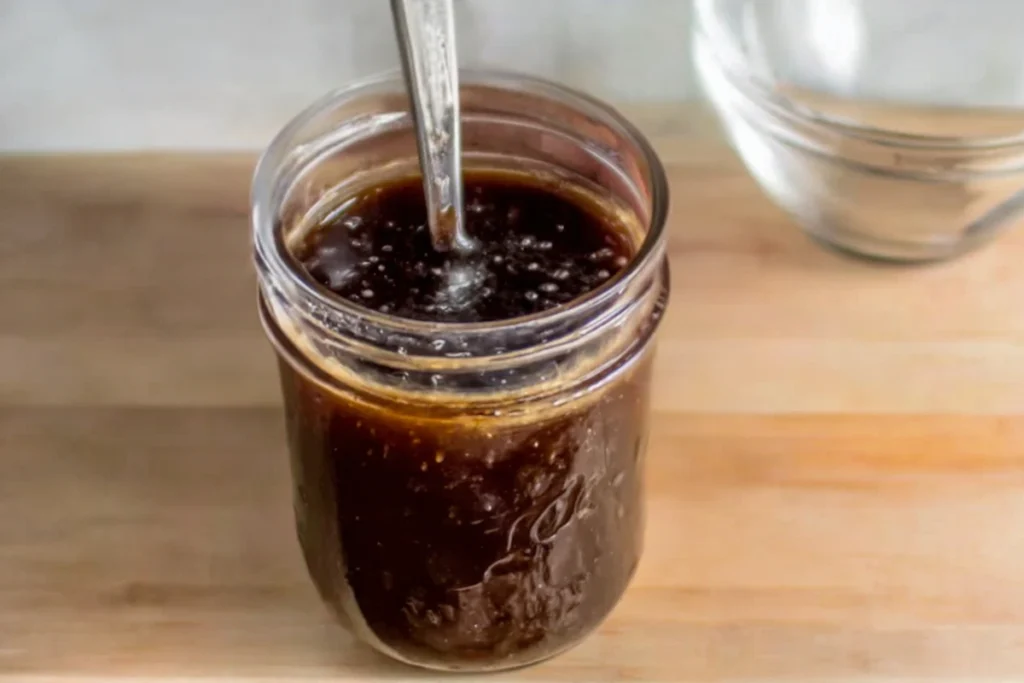
Pour in the Worcestershire sauce last and whisk again until everything looks smooth and glossy. The sauce should be thin enough to pour easily but slightly thickened from the ketchup and oyster sauce. Somewhere between soy sauce and barbecue sauce in texture.

Smell matters here, too. A good yakisoba sauce should hit you with tanginess first, then a deeper savory note underneath. If it smells overly sharp, add a small touch more ketchup. If it feels too sweet, a splash of soy sauce usually fixes it.
One thing I’ve learned from restaurant kitchens: sauces for stir-fried noodles need intensity. High heat dulls flavors fast. Don’t be afraid if the mixture tastes bold straight from the bowl.
Ways To Use Yakisoba Sauce Beyond Basic Noodles
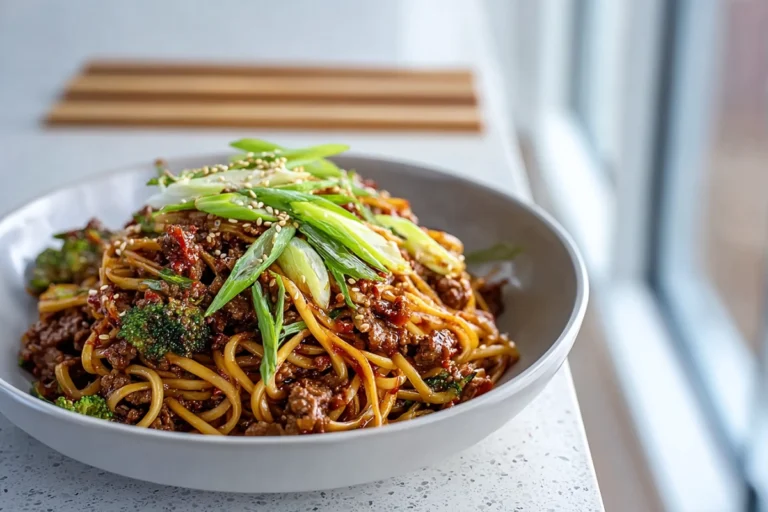
Classic pork yakisoba is the obvious choice, but this sauce works with more than standard wheat noodles. I use it with vegetable yakisoba when I want something lighter, especially with cabbage and mushrooms cooked until the edges start browning.

It also works surprisingly well in yakisoba pan, the Japanese sandwich made with stir-fried noodles inside a soft bun. Messy to eat. Still worth it.

Glass noodles are another good option if you want a softer texture that absorbs more sauce. Just don’t oversoak them beforehand or they’ll break apart during stir-frying.

A spoonful of this sauce can even rescue leftover rice during a quick skillet meal. That’s usually how extra batches disappear in my kitchen.
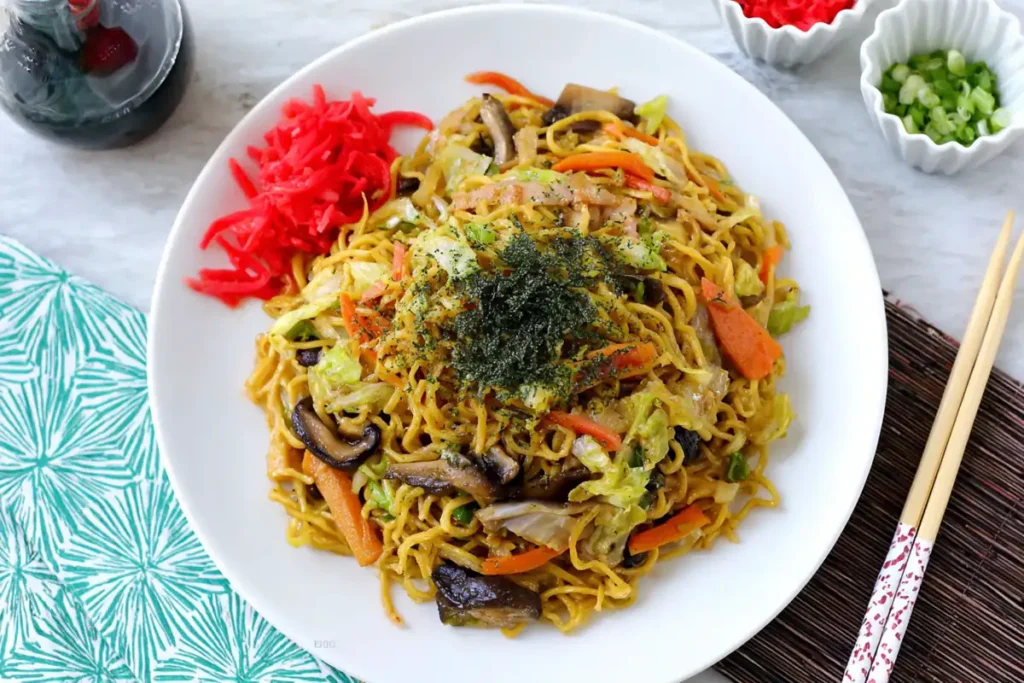
Keeping Yakisoba Sauce Fresh for Future Meals
Once the sauce is mixed, transfer it to a clean mason jar or any airtight container and keep it refrigerated. It usually holds its flavor well for about a month, though I find the taste is best during the first two weeks when the Worcestershire sauce still feels bright and sharp.
Give the jar a quick shake before each use. Some ingredients naturally settle over time, especially if the sauce sits untouched for several days. That’s normal.
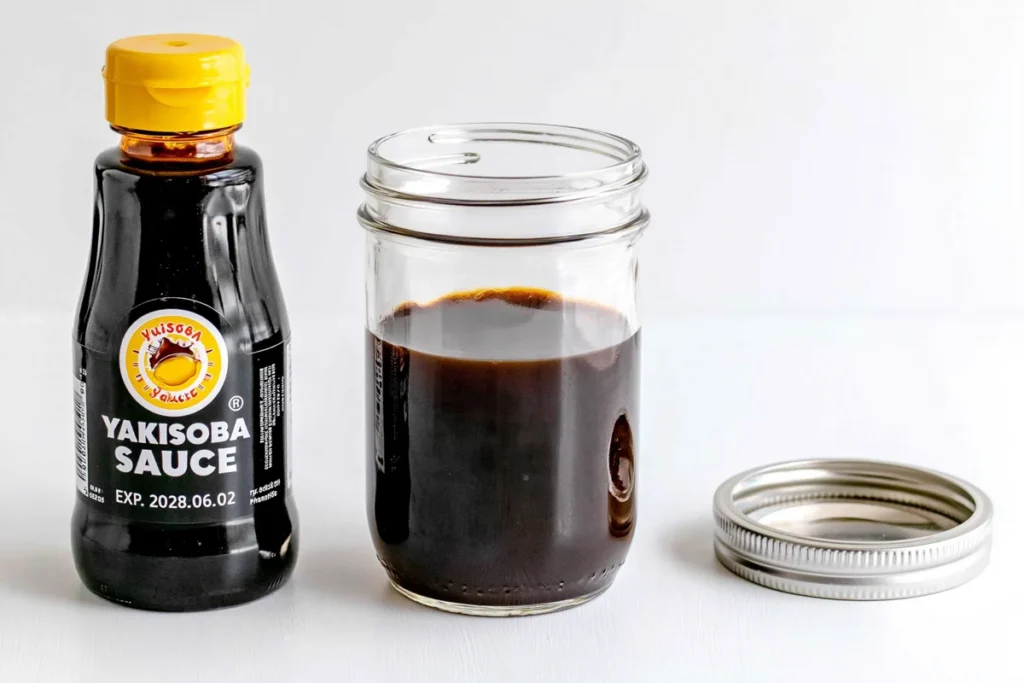
I wouldn’t freeze it. The texture can separate once thawed, and the flavor loses some of its balance. Since the recipe only takes a few minutes to make, fresh batches tend to work better anyway.
A Sauce Worth Keeping on Hand
Homemade Yakisoba Sauce solves a common weeknight problem: how to turn simple noodles into something with real flavor without spending an hour cooking. The balance of sweet, salty, and tangy ingredients does most of the work for you.
Once you get comfortable adjusting the sauce to your own taste, it becomes flexible enough for all kinds of quick meals. Every recipe I share is an invitation from my kitchen to yours. This one just happens to start with a whisk and a jar.
PrintYakisoba Sauce Recipe

A quick homemade Yakisoba Sauce made with Worcestershire sauce, oyster sauce, ketchup, soy sauce, and sugar. It is bold, sweet, salty, and tangy enough to coat stir-fried noodles, vegetables, rice, or quick skillet meals.
- Yield: ¾ cup sauce, enough for 4 servings of noodles 1x
- Category: Sauces & Condiments
- Method: No-cook
- Cuisine: Japanese
Ingredients
- 7 Tbsp Worcestershire sauce
- 3 Tbsp oyster sauce
- 2 Tbsp ketchup
- 1½ Tbsp soy sauce
- 1½ Tbsp sugar
Instructions
- Add the oyster sauce, ketchup, soy sauce, and sugar to a mason jar or medium bowl.
- Whisk until the sugar dissolves completely and the mixture looks smooth.
- Pour in the Worcestershire sauce and whisk again until fully combined.
- Taste the sauce and adjust if needed. Add a little more ketchup if it tastes too sharp, or a small splash of soy sauce if it tastes too sweet.
- Use immediately with stir-fried noodles, vegetables, glass noodles, or quick skillet meals, or transfer to a clean airtight jar and refrigerate.
Notes
- The sauce should taste stronger than you would normally want on its own because it will season noodles and vegetables.
- Different ketchup brands vary in sweetness, so taste before using and adjust the sugar if needed.
- Store in a clean mason jar or airtight container in the refrigerator for up to 1 month.
- Shake the jar before each use because some ingredients may settle over time.
- Freezing is not recommended because the texture can separate after thawing.
Nutrition
- Serving Size: 2 tablespoons
- Calories: 38
- Sugar: 6
- Sodium: 520
- Fat: 0
- Saturated Fat: 0
- Unsaturated Fat: 0
- Trans Fat: 0
- Carbohydrates: 8
- Fiber: 0
- Protein: 1
- Cholesterol: 1